
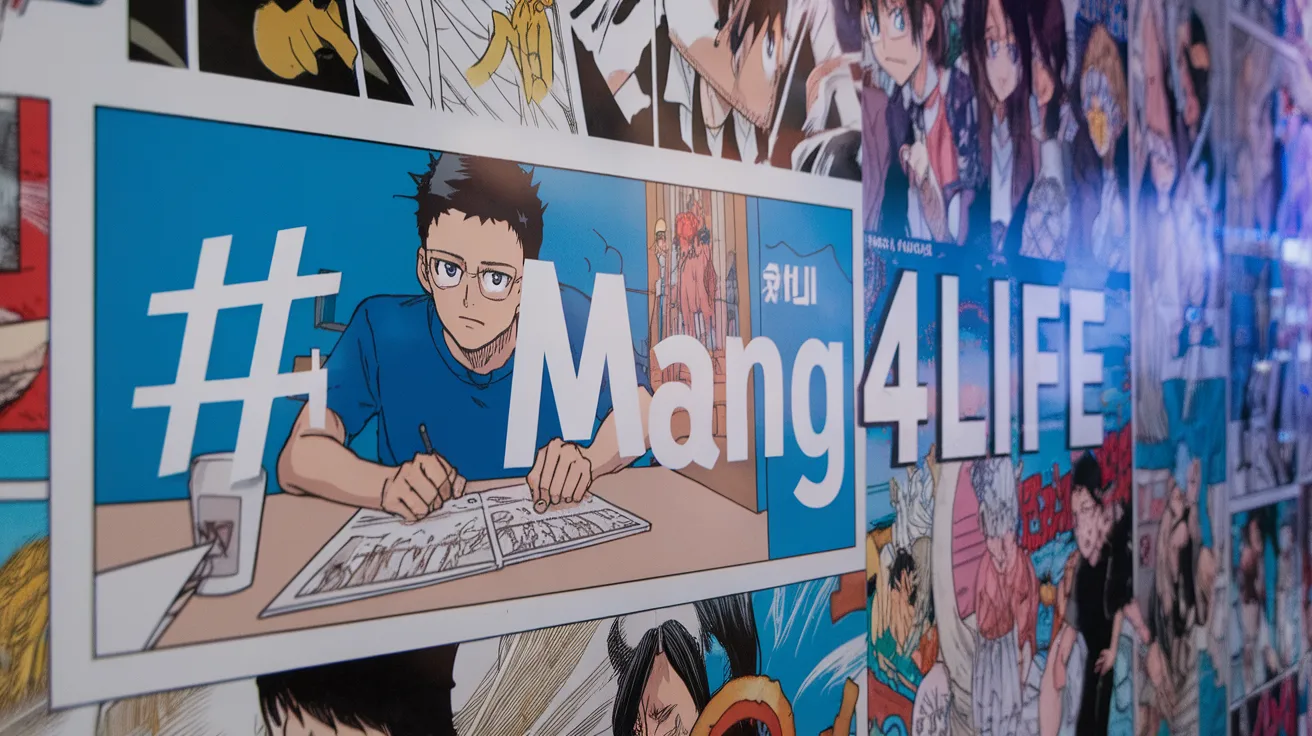
In the vast, ever-expanding universe of the internet, where countless websites flicker in and out of existence, there are special places that become more than just a domain name. They become destinations, habits, and for a dedicated community, they become a home. For millions of manga enthusiasts around the globe, one such place has carved out a significant niche: Manga4Life. This platform is not merely a website; it is a digital sanctuary, a sprawling library, and a vibrant town square for fans of Japanese comic artistry. But what is it about this particular site that inspires such loyalty and becomes a daily ritual for so many? The answer lies in a delicate alchemy of accessibility, community, and an unbridled passion for the art of storytelling.
To understand Manga4Life is to first understand the context in which it exists. Manga, the Japanese comics that have become a global phenomenon, has a unique release rhythm. In Japan, new chapters of popular series are published weekly or monthly in anthology magazines like Shonen Jump. For international fans, the wait for official, translated volumes could be agonizingly long, sometimes spanning months or even years. This gap, this hunger for the next page, the next panel, the next revelation in a beloved story, created a demand. A community of dedicated fans and translators, known as scanlators, emerged to bridge this divide. They would acquire the raw Japanese chapters, translate them, clean the artwork, and typeset the new text, sharing their labor of love with the world. Manga4Life operates as one of the central hubs where this collective effort is aggregated and presented to the eager public.
A Portal to Infinite Worlds
The first thing any visitor notices about Manga4Life is the sheer scale of its collection. It is a seemingly bottomless treasure chest. From the planet-conquering epics of Dragon Ball and One Piece to the introspective, slice-of-life dramas that explore the quiet moments of human existence, the platform hosts an astonishing array of titles. It caters to every conceivable taste and demographic: shonen for young boys, shojo for young girls, seinen for adult men, josei for adult women, and every niche genre in between.
This comprehensiveness is its primary strength. A newcomer can discover the foundational classics that shaped the medium, while a seasoned otaku can keep up with the latest underground sensation that has yet to catch the mainstream eye. The site functions as a living, breathing archive. It is not just about reading the newest chapter of Attack on Titan or My Hero Academia; it is about stumbling upon a completed, 200-chapter masterpiece you never knew you needed in your life. The interface, while straightforward and functional, is designed for discovery. You can browse by genre, check the latest updates, or see a list of the most popular series, giving you a pulse on what the community is currently excited about.
This easy access has democratized manga consumption in an unprecedented way. For fans in regions with limited access to physical bookstores or without the financial means to purchase dozens of volumes, platforms like Manga4Life are not just a convenience; they are a gateway. They allow a teenager in South America, a college student in Europe, and a working professional in Southeast Asia to share the same reading experience simultaneously. They are all turning the digital page on the latest chapter of One Piece at the same time, creating a global, synchronized cultural event every week.
Read Also: The Quiet Revolution: How NatoManga is Redrawing the Lines of Global Storytelling
The Rhythm of Anticipation: More Than Just Reading
Engaging with Manga4Life is not a passive act. It is a ritual. For many, the week is punctuated by the specific days their favorite series are updated. Monday might mean a new chapter of Boruto, while Friday is reserved for the latest twists in Jujutsu Kaisen. This rhythm creates a unique form of anticipation, a shared countdown with millions of others. The act of visiting the site, seeing the “New” tag next to a followed title, and diving in is a small but significant moment of joy.
Furthermore, the reading experience itself is curated. The scanlation groups, whose work is hosted on the site, often include personal notes, translation explanations, and sometimes even fan art at the end of chapters. This adds a human touch, a reminder that this content was brought to you not by a faceless corporation, but by fellow fans who love the series as much as you do. They are part of the ecosystem, and their dedication is a key ingredient in the site’s appeal.
The community aspect extends beyond the raw text. Each manga series on Manga4Life has its own comment section. This is where the platform transforms from a library into a town square. Here, readers gather immediately after a new chapter drops to dissect every panel, theorize about future plot points, celebrate character moments, and mourn shocking deaths. The comment sections are a real time record of collective fandom. They are filled with excitement, confusion, heartbreak, and brilliant, sometimes unhinged, predictions. Reading a major plot twist is one experience; reading it and then immediately jumping into a thousand comment discussion about its implications is another, profoundly social, one. It is a space to share the emotional weight of a story, to feel connected to others who are on the same narrative journey.
Navigating the Gray Areas: The Ethics of Accessibility
It is impossible to discuss a platform like Manga4Life without addressing the complex ethical landscape it inhabits. The site exists in a legal and moral gray area. The scanlation process, while born from a place of fandom and a desire to share, inherently involves distributing copyrighted material without the permission of the original creators, the publishers, or the official license holders.
This presents a significant dilemma. On one hand, there is a strong argument that these platforms have been instrumental in building the massive international audience for manga that exists today. Many current fans were first introduced to the medium through free, accessible sites. This grassroots exposure has undoubtedly fueled the growth of the official industry, leading to more licensed translations, official digital releases, and greater global recognition for mangaka, the Japanese comic artists.
On the other hand, the creators themselves do not directly profit from the ad revenue generated by these aggregate sites. Creating manga is an incredibly demanding profession, often involving grueling schedules that can take a toll on the artists’ health. When their work is distributed for free outside of official channels, it can potentially impact sales and, by extension, their livelihood. The industry has responded with legal action against some sites and a push for more robust and timely official digital releases through services like Shonen Jump by Viz Media, Manga Plus, and others.
For the user, this creates a personal choice. Many fans who use Manga4Life are also some of the biggest consumers of official merchandise, physical volumes, and box sets. They see the site as a way to keep up with ongoing series weekly, while still financially supporting the creators they love by purchasing their favorite series once they are officially released. Others may rely on it exclusively due to geographic or financial constraints. This ongoing tension between accessibility and creator support is a central part of the conversation surrounding sites like Manga4Life, and it is a conversation that every ethical fan should be aware of.
The Unwritten Future
The digital manga landscape is not static. It is evolving rapidly. The rise of high quality, affordable, and timely official simulpub services, where chapters are released officially in multiple languages within hours of their Japanese publication, is changing the game. These services offer a legal and direct way to support creators while satisfying the immediate demand for new content.
So, what does this mean for the future of Manga4Life and platforms like it? Their role may inevitably shift. As official channels become more comprehensive and accessible, the primary justification for using scanlation sites diminishes. However, their legacy is secure. They served as a crucial incubator for Western manga fandom during a time when the official industry was slow to adapt. They fostered a sense of global community and instant connection that was previously impossible.
They may evolve into archives for series that are no longer in print or have never been officially licensed, preserving obscure gems that would otherwise be lost to international audiences. The community they built, the habit of weekly engagement, and the passion for discovery they instilled are their enduring contributions.
A Love Letter to Stories
In the end, Manga4Life is more than just a website. It is a testament to the universal human love for stories. It is a platform built by fans, for fans, driven by a collective desire to experience the next great adventure, the next heartwarming romance, or the next mind bending thriller. It is a place where the distance between creator and consumer feels smaller, where the excitement of a new chapter is a shared global experience.
Its straightforward interface, its vast and comprehensive library, and its vibrant, immediate community have made it a beloved digital home for millions. While the ethical questions it raises are important and warrant serious consideration, its cultural impact is undeniable. It has been a key player in transforming manga from a niche hobby into a global pillar of pop culture.
As we look to the future, the ideals that Manga4Life represents, the hunger for connection and story, will not fade. They will simply find new expressions. Whether through official channels or community driven projects, the desire to explore infinite worlds, one page at a time, will always remain. And for a significant chapter in the history of manga fandom, Manga4Life was the portal that made those journeys possible.
