

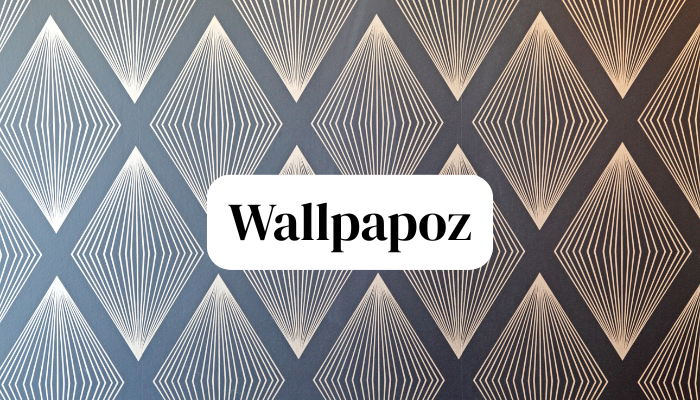
In the quiet moments of our morning routine, as we sip our coffee and gather our thoughts for the day, our eyes often drift to the screens that have become the windows to our worlds. The glow of a smartphone, the vast canvas of a desktop monitor, these are the surfaces that frame our digital lives. And on these surfaces, something profound is happening. It is not just an app icon or a notification vying for our attention. It is the backdrop, the scene-setter, the silent mood-maker. It is, for lack of a more formal term, the wallpapo. This seemingly simple act of choosing a background image is evolving from a trivial afterthought into a powerful form of personal and environmental expression. We are becoming a generation of wallpapoz, curators of our own visual realms, and it is changing the way we feel, work, and connect with our spaces.
More Than Just Pixels: The Psychology of a Background
To dismiss a wallpaper as mere decoration is to misunderstand its fundamental role in our daily experience. Our environments, both physical and digital, have a documented impact on our psychology. A cluttered room can foster a cluttered mind. A serene, natural landscape can lower cortisol levels and promote calm. The same principles apply to the digital spaces where we spend a significant portion of our waking hours.
Consider the default wallpaper that came with your device. It was likely chosen by a team of designers to be universally appealing, non-offensive, and slightly corporate. It serves a function, but it does not speak to you. The moment you change it to a photograph you took on a cherished holiday, a minimalist geometric pattern, or a vibrant piece of digital art, you are performing an act of reclaiming your space. You are injecting a piece of your identity, your aspirations, or your current emotional state into the machine.
This is the core of the wallpapoz philosophy. It is the conscious decision to use visual media to cultivate a specific atmosphere. For one person, a wallpaper featuring a dense, green forest might be a daily reminder of their love for hiking and a mental escape from a concrete-filled commute. For another, a clean, black background with a subtle texture might reduce eye strain and create a focused, professional workspace on their desktop. The image is static, but its effect is dynamic, influencing our mindset with every glance.
Read Also: Beyond the Blur: How dots.ocr is Quietly Revolutionizing the Way We Read the Past
The Digital Canvas: From Personalization to Curation
The journey of the wallpaper has been a fascinating one. In the early days of computing, we were limited to a handful of tiled patterns or, if we were lucky, a 16-color bitmap. The choice was limited, a novelty. Today, we are inundated with options. High-resolution photography, AI-generated art, animated live wallpapers, and interactive backgrounds are all at our fingertips. This abundance has transformed us from mere personalizers into bona fide curators.
The modern wallpapo does not just right-click and save a random image. They embark on a quest. They have favorite sources, from dedicated apps like Wallpaper Engine and Backdrops to online communities on Reddit and Discord where enthusiasts share their latest finds and creations. They understand concepts like aspect ratio, color theory, and how an image’s focal point interacts with their desktop icons. They seek out art that tells a story or evokes a feeling that resonates with their personal narrative.
This curation extends beyond the aesthetic. It is about functionality. A well chosen wallpaper can improve usability. A background with a darker top and a lighter bottom can make a menu bar more legible. A minimalist design ensures app icons remain visible and organized. The wallpapoz understands this balance between form and function, seeking beauty that does not compromise the utility of their most important tool.
Furthermore, the rise of multi-monitor setups has created a new frontier for the wallpapoz. No longer confined to a single image, they can create panoramic vistas that stretch across two or three screens, crafting an immersive, widescreen experience for work or play. This requires a new level of planning and a keen eye for composition, turning a functional arrangement of monitors into a cohesive digital diorama.
Beyond the Screen: The Philosophy in the Physical World
The principles of the wallpapoz are not confined to the digital realm. In fact, the mindset is spilling over into our physical spaces with remarkable effect. The term “wallpapoz” itself, with its playful, almost activist suffix, hints at this broader application. It is about taking control of our ambient environments.
Think about the recent resurgence of wallpaper in interior design. After decades of minimalist paint, bold and expressive wallpapers are making a dramatic comeback. But this is not your grandmothers flocked velvet. This is about large scale murals of botanical prints, geometric patterns that play with perception, and textured, tactile finishes. People are using wallpaper to create feature walls that define a rooms character, to make small spaces feel larger, or to inject a burst of personality into a rental apartment.
This is the physical manifestation of the wallpapoz ethos. It is the understanding that the walls around us are not just boundaries. They are the largest canvases in our homes and offices. Choosing a wallpaper for your home office that mimics the view from a peaceful library, or one for your living room that features a vibrant, abstract pattern, is the same act as choosing a digital background. It is about setting a stage for your life.
The same concept applies to other aspects of our physical environment. The art we hang on our walls, the textiles we choose for our furniture, even the lighting we install, are all part of this curated atmosphere. A wallpapoz approaches their entire environment as a series of interconnected canvases, each contributing to a holistic sensory experience.
The Tools of the Trade: A Curators Toolkit
Becoming a proficient wallpapoz requires a few key tools and resources. It is not about having advanced technical skills, but rather knowing where to look and what to look for.
-
Source Material: The hunt for the perfect image is half the fun. Beyond a simple Google search, which often yields low quality or copyrighted images, seasoned wallpapoz turn to specific platforms.
-
Unsplash and Pexels: These sites offer a vast library of stunning, high resolution, royalty free photographs contributed by a global community of photographers. They are perfect for realistic landscapes, cityscapes, and minimalist scenes.
-
Wallpaper-Specific Apps and Sites: Applications like Wallpaper Engine (for animated and interactive backgrounds), Backdrops, and Zedge offer curated collections, often from digital artists. Subreddits like r/wallpaper and r/wallpapers are thriving communities for discovery and sharing.
-
AI Art Generators: Tools like Midjourney, DALL E, and Stable Diffusion have opened up a new universe for the wallpapoz. Now, you are not limited to what exists. You can conjure a background from your imagination, typing in a detailed prompt for a scene that is uniquely yours.
-
-
An Eye for Composition: A great image does not always make a great wallpaper. The wallpapoz learns to consider how the image will be framed by the device. Where is the focal point? Does the image have enough “negative space” to keep the desktop from looking cluttered? How does it look when a window is open over it? This critical eye is what separates a quick change from a thoughtful curation.
-
Organization: A true enthusiast does not have one wallpaper. They have a collection, a mood board for different times and feelings. Using simple folders or dedicated wallpaper management apps, they organize their finds by season, color, mood, or style, allowing them to rotate their digital art as easily as they might change the decor in their home.
A Practice of Mindfulness and Well being
At its heart, the culture of wallpapoz is a practice of mindfulness. In a world of constant stimulation and digital noise, taking the time to carefully select an image that brings you peace, focus, or joy is a small but significant act of self care. It is a moment of pause, a decision to shape your immediate environment in a way that serves your mental state.
Rotating your wallpapers can be a ritual. Changing your desktop to a bright, sunny beach scene in the depths of winter can be a powerful tool against seasonal affective disorder. Switching to a serene, star filled galaxy at night can help signal to your brain that the workday is over and it is time to unwind. An inspirational quote set against a beautiful background can serve as a daily affirmation.
This intentional approach to our visual field is a form of digital hygiene. It is about cleansing our primary interfaces of the generic and the corporate and replacing them with the personal and the meaningful. It is a quiet rebellion against the one size fits all approach to technology, reminding us that these powerful tools are, ultimately, ours to shape.
The Future of the Wallpapoz
As technology continues to advance, the canvas for the wallpapoz will only expand. We are already seeing the beginnings of this with always on displays, foldable screens, and augmented reality interfaces. The future wallpapoz will not just be curating a static image for a single screen. They will be designing dynamic environments for their smart glasses, creating ambient themes for their entire smart home ecosystem, and interacting with 3D, responsive backgrounds that change based on the time of day, the weather, or their heartbeat.
The line between digital and physical space will continue to blur, and the principles of the wallpapoz, of intentional atmospheric curation, will become more relevant than ever. Our environments will become more responsive, more integrated, and more personal.
In conclusion, the term “wallpapoz” may be a playful neologism, but the concept it represents is deeply significant. It points to a growing desire for agency over the aesthetic and emotional quality of our daily lives, starting with the screens we stare at and extending to the rooms we inhabit. It is a hobby, a mindset, and a form of modern self expression. So the next time you find yourself idly staring at your desktop, take a moment. Consider the image behind your icons. Does it inspire you? Does it calm you? Does it feel like you? If not, perhaps it is time to join the ranks of the wallpapoz. Your canvas awaits.
