
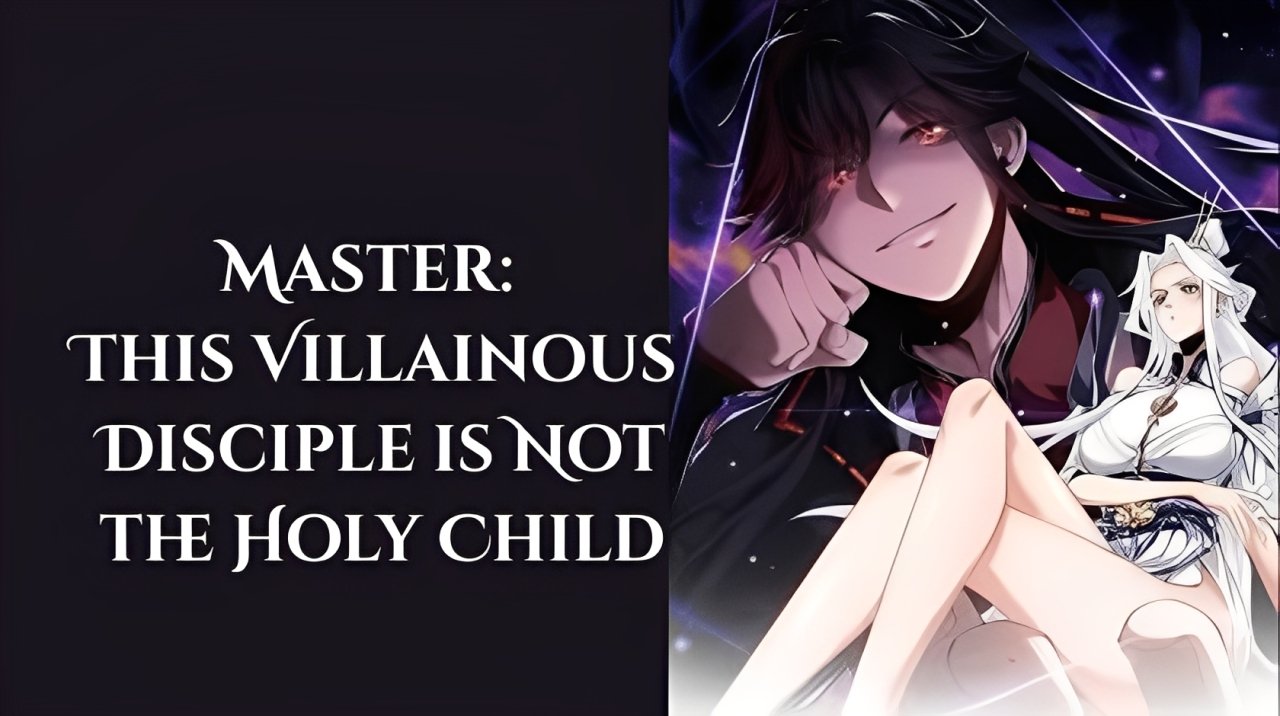
In the evolving world of fantasy and cultivation literature, This Villainous Disciple Is Not the Holy Child stands out as a bold, subversive narrative that challenges tradition while delivering deep emotional impact. As readers demand richer character arcs, layered world-building, and morally complex protagonists, this novel rises to the forefront with its innovative storytelling and powerful thematic depth.
We explore the novel’s most compelling elements its lore, characters, conflicts, and symbolism to offer one of the internet’s most comprehensive guides. This article is designed to provide immersive insight for fans and new readers alike.
A Revolutionary Take on Cultivation Narratives
Breaking the Mold of the “Chosen One” Trope
At its heart, this story dismantles the familiar “holy child” myth, replacing it with a protagonist whose morality blurs the line between darkness and redemption. Rather than a predestined hero, the central figure must carve out their destiny through struggle, reflecting the universal theme of forging identity in a world that expects conformity.
The novel elevates the cultivation genre by questioning:
-
What does it mean to be chosen?
-
Is villainy an identity or an inheritance?
-
Can one reject destiny and still rise above chaos?
Its exploration of these themes allows the narrative to resonate with readers seeking deeper philosophical undertones.
Complex Characters That Redefine Morality
A Protagonist Born in Darkness Yet Fighting for Purpose
The titular villainous disciple is a masterclass in character construction. They are neither a misunderstood saint nor a pure antagonist. Instead, they embody:
-
Moral ambiguity
-
Internal conflict
-
A hunger for acceptance
-
Reluctant brilliance that threatens the status quo
Such characterization challenges readers’ expectations, drawing them into a world where every choice carries weight and consequences are both emotional and cosmic.
Allies, Antagonists, and Intricate Power Struggles
Supporting characters are equally compelling, serving not as archetypes but as dynamic forces that shape the protagonist’s journey. The rival disciples, mentors, cult leaders, and hidden enemies contribute to a vast political landscape filled with shifting alliances and secret agendas.
The interactions create a rich tapestry of personal and ideological conflict, making every chapter pulse with tension.
World-Building That Transports Readers Into an Immersive Realm
A Universe Governed by Law, Power, and the Arcane
The novel presents a meticulously crafted world built around:
-
Ancient spiritual sects
-
Forbidden cultivation techniques
-
Mythic beasts and divine artifacts
-
A structured hierarchy of power
These elements come together to form a universe where strength is earned through sacrifice, discipline, and cunning perfectly complementing the protagonist’s rise from outsider to formidable force.
Sacred Grounds and Dark Domains
Every location is described with atmospheric depth, from the tranquil serenity of celestial temples to the foreboding landscapes of demonic territories. This contrast reinforces the story’s central theme: light and darkness are often reflections of each other.
Themes That Elevate the Story Beyond Standard Fantasy
Identity, Destiny, and Rebellion
The narrative thrives on its exploration of identity how it is shaped, challenged, and ultimately reclaimed. The protagonist’s refusal to accept the holy child mantle becomes a symbol of rebellion against societal expectation, tradition, and divine authority.
Power, Corruption, and Redemption
Cultivation power is portrayed not as a path to glory but as an intoxicating force capable of both corrupting the innocent and redeeming the fallen. Readers are left to question whether true strength comes from one’s abilities or one’s choices.
Morality as a Fluid Spectrum
By blurring moral boundaries, the novel encourages deeper reflection on:
-
What makes a villain?
-
Can righteousness exist without shadow?
-
Is redemption possible for those branded as cursed?
These themes create a sophisticated narrative that appeals to mature readers wanting more than simplistic good-versus-evil tales.
Plot Twists and Conflict That Keep Readers Engaged
Unpredictable Turns Rooted in Emotional Stakes
The storyline is filled with high-impact twists that develop organically from character motivation not shock for shock’s sake. Betrayals, revelations of hidden lineage, spiritual transformation, and forbidden alliances propel the narrative forward with electrifying momentum.
Climactic Power Battles That Shape the Fate of Sects
Thrilling battles serve not only as spectacle but as emotional crucibles where characters reveal their deepest truths. Each confrontation shifts the balance of power within the cultivation world, ensuring the plot remains fresh and unpredictable.
Why This Novel Has Become a Cultural Phenomenon
A New Benchmark in Fantasy Storytelling
The novel’s success is fueled by:
-
Authentic emotional depth
-
Sophisticated philosophical themes
-
A protagonist unlike any hero before
-
Cinematic world-building
-
Narrative innovation that challenges tradition
Readers gravitate to stories that ignite introspection while delivering entertainment, and this novel achieves both with extraordinary finesse.
A Dedicated Global Community of Fans
Online discussions, fan theories, and commentary showcase how deeply this narrative resonates. Its exploration of identity, rebellion, and moral complexity invites endless analysis, ensuring that fans remain engaged long after reading.
Conclusion: The Legacy of a Villain Who Refuses Destiny
This Villainous Disciplin Is Not the Holy Child transcends its genre through its powerful storytelling and multi-layered themes. It turns the traditional cultivation narrative on its head, offering readers a profound exploration of self, fate, and the blurred lines between heroism and villainy.
With its unforgettable protagonist, vivid world-building, and emotionally charged conflicts, it establishes itself as one of the most compelling fantasy works of its generation a story that lingers in the mind long after the final chapter.
